
AI Platforms (User-to-Agent): The New Gateway to the Commercial Internet
The traditional search bar is rapidly losing its monopoly. We are currently witnessing the most significant structural shift in the digital customer journey since the invention of the web browser.

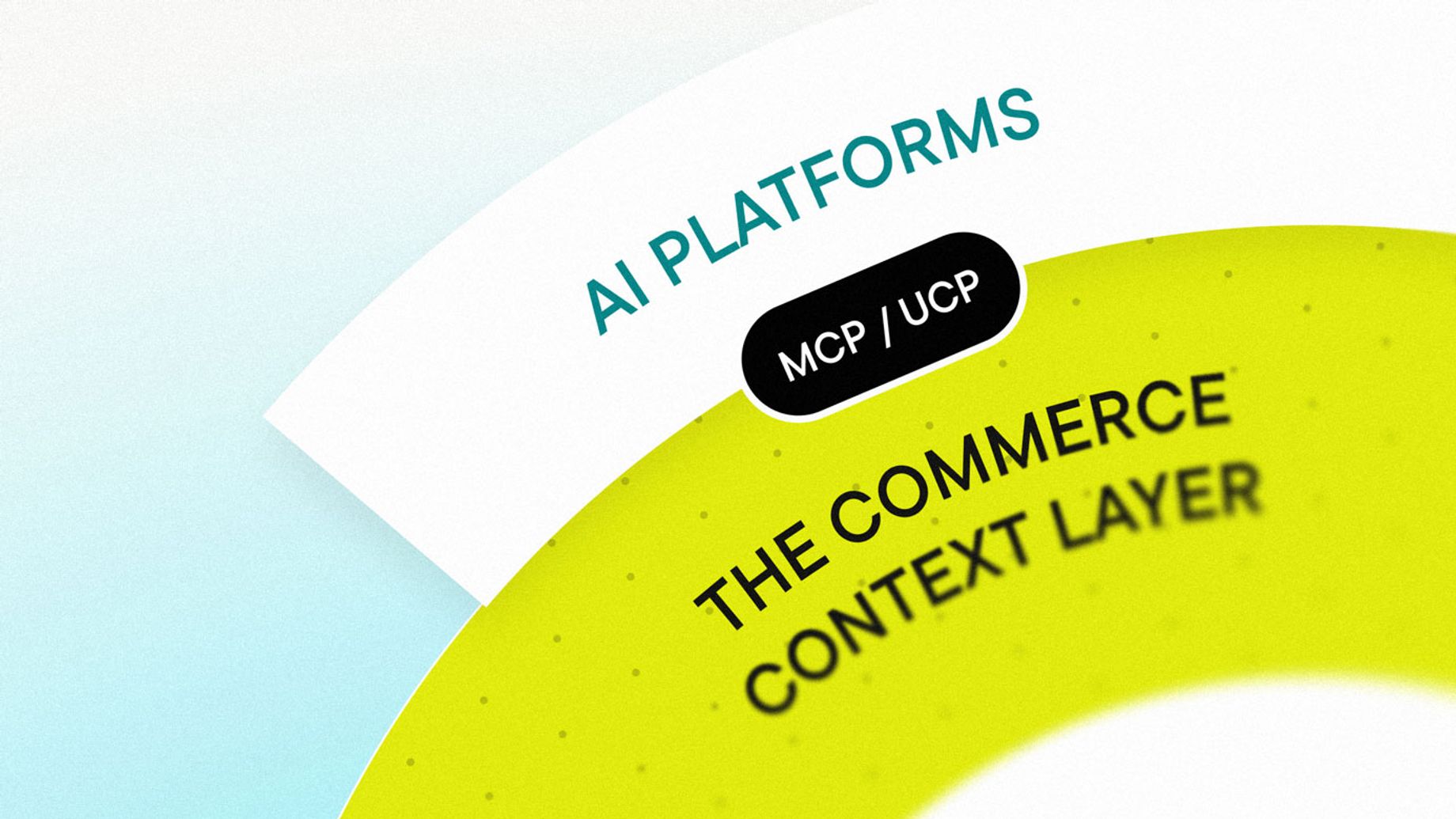
Consumers are no longer strictly navigating to individual online shops; instead, they are delegating complex purchasing intents to consumer-facing AI platforms and productivity assistants. These systems are rapidly consolidating user attention, becoming the new, intelligent “gateway to the internet.”
From Search to Execution: The Paradigm Shift
For decades, the digital commerce playbook was built around optimization for human eyes: SEO, UI/UX design, and complex filtering systems. AI platforms fundamentally disrupt this dynamic by shifting the paradigm from active search to autonomous execution.
Instead of a user clicking through pages of search engine results, opening dozens of tabs, and manually comparing specifications, they now state their desire in natural language. The AI handles the heavy lifting: aggregation, filtering, and evaluation.
For brands and retailers, this means the end-consumer is increasingly shielded behind an AI layer. Winning the digital game no longer just means appealing to the human shopper. It means being discoverable, readable, and relevant to the AI agent representing them.
Use Cases Redefining the Customer Journey
As these User-to-Agent (U2A) interactions mature, some primary use cases are redefining how commerce happens:
Use Case 1: Intent-Driven Discovery
Consumers express complex, highly contextual needs rather than keyword queries. For example, a user might prompt: “I am planning a three-day hiking trip in the Harz mountains and need weatherproof gear for myself and my dog.” The AI autonomously translates this complex scenario into precise product requirements.
Use Case 2: Personal Concierge Services or Shopping Assistants
Managing highly complex, multi-step tasks. This includes complete vacation planning, such as orchestrating flights, hotels, and restaurant reservations simultaneously, while strictly respecting personal budgets, loyalty program preferences, and historical data.
Use Case 3: Real-Time Information Synthesis
Data-driven aggregation of reviews, dynamic prices, and technical specifications across various merchants, compressed into a perfectly curated shortlist tailored to the personal needs of the individual.
The Connecting Link: The Commerce Context Layer (CCL)
While the vision of autonomous AI agents sounds seamless, it faces a massive technical hurdle in reality. Generic Large Language Models (LLMs) operate on static data. Without the integration of brand-specific, real-time context, they are prone to hallucinations or delivering vague, outdated advice.
This is where the Commerce Context Layer (CCL) becomes the ultimate strategic leverage point.
Key Takeaway
The CCL acts as the reliable translation matrix between an enterprise’s commerce infrastructure and the sprawling ecosystem of AI platforms.
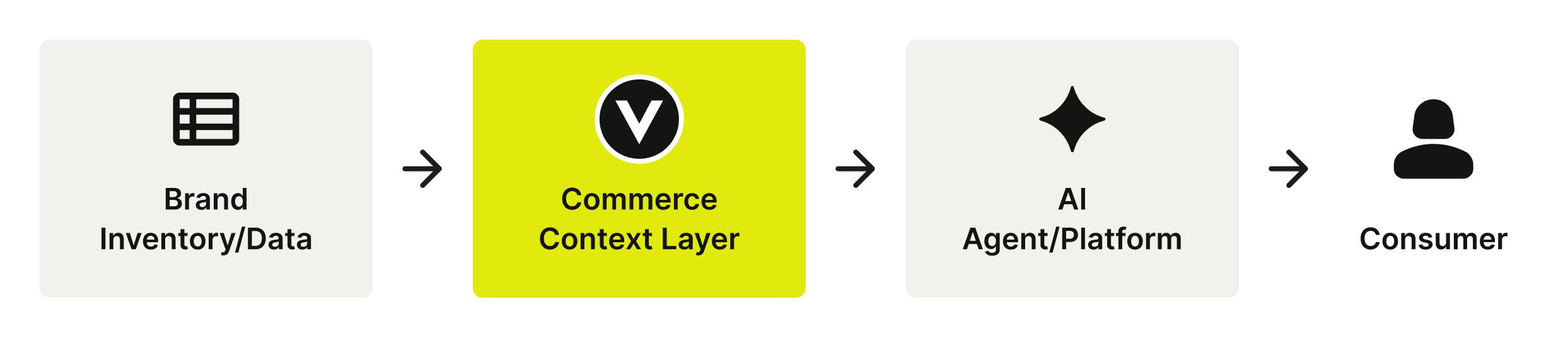
Only the CCL connects these consumer-facing frontends to real-time data, exact product attributes, and live availability via standardized protocols.
By feeding AI agents structured, verified, and contextualized data, brands ensure they aren’t left behind in the agentic era. The result? The customer experiences a true digital personal assistant that perfectly matches their complex intent with real-world, purchasable availability.
Is Your Commerce Architecture Ready for Agents?
To capture value in this new User-to-Agent economy, enterprises must move beyond traditional API thinking and adopt an AI-native communication strategy.
The gateway is changing, and your interface infrastructure must change with it.
Related Posts

Joining Forces for Conversational Commerce: Announcing Our Solution with moinAI
